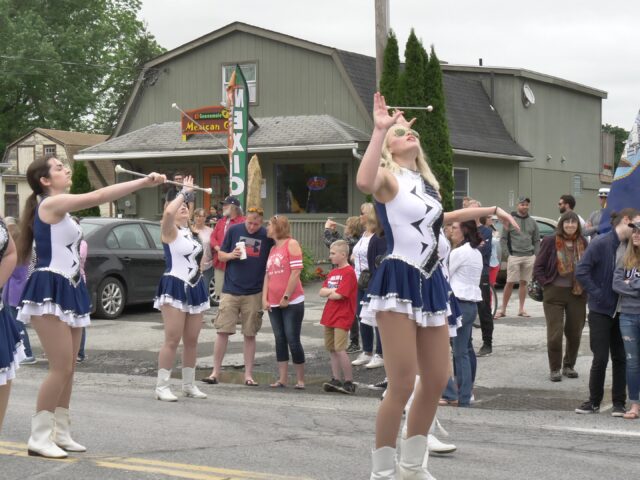
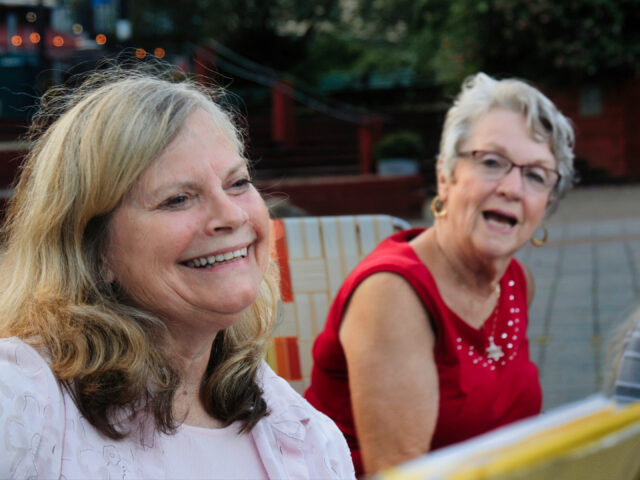
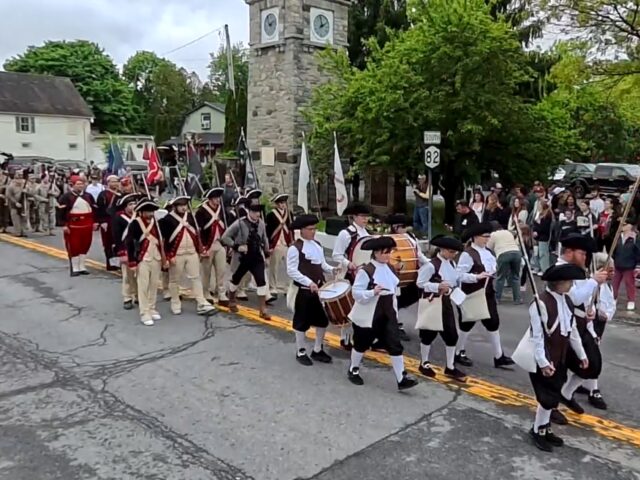
Memorial Day: the church BBQ, the Parade (of course), the opening of a new store, people enjoying each other.
watch Video
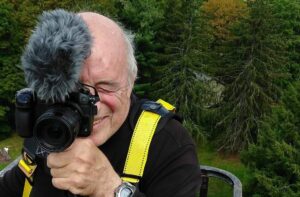
Pocket Docs was born from a concern: artificial intelligence is increasingly used to fabricate content passed off as truth.
The word “documentary” is also too often misused or misunderstood. A documentary explores reality in order to convey it to others. By that definition, documentaries are observational, not generative. A simple test: would this have happened without the camera present? A documentary does not advocate. Its job is not to promote or celebrate an idea, a product, or a place. If it promotes anything, it should be thoughtful discussion. Leave the rest to infomercials.
But the average person can no longer distinguish between authentic content and advocacy dressed as truth — and soon, even experts may struggle. How can we assure people that what they see on a screen really happened? We can’t. Seeing is no longer believing.
Citizens need to observe and confirm for themselves. But proof must be visible.
One clue is the camera.
Unlike a trail camera or a surveillance camera that passively records, the documentary camera gazes. It probes. It explores. And in doing so, it leaves footprints. It wobbles. It shakes. Sometimes it needs to refocus. It is not perfect — and that imperfection is the point. Those wobbles and hesitations are the loops, whorls, and arches of authenticity’s fingerprint.
I grow suspicious when things look a little too slick. There’s a saying: “Perfect is the enemy of good.” It can also be the enemy of truth.
I come to this as a skeptic with reason to be one. I’ve had a deliberately varied career: professional theatre, broadcast television, documentary filmmaking, organizational consulting, academia, and group relations psychology. As different as these fields appear, they share a common purpose — exploring experience and communicating it to others. The documentary filmmaker explores reality and conveys it outward. The psychoanalyst strives to make the unconscious conscious. Different lenses, same impulse.
Pocket Docs are short films — many shot on a camera that fits in my pocket. Often a single, continuous take. Straight from reality. No corrections. No algorithms.
I sometimes call them seens from everyday life: small bridges that make the unfamiliar experience of others feel familiar. I use the camera to ask, “What’s it like to…?”
Hudson Valley Views
SEENS — Gleanings from a resident filmmaker’s life
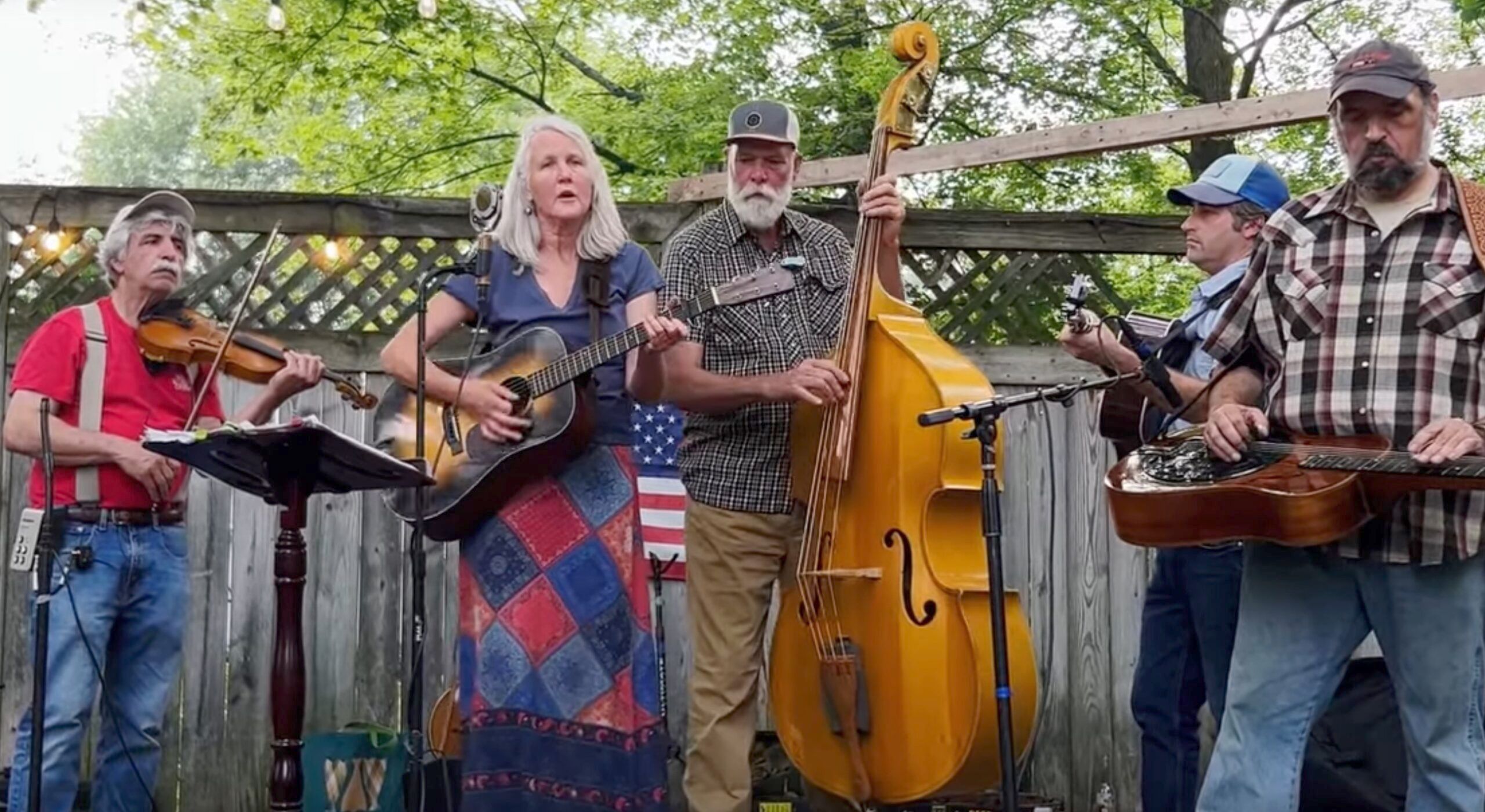
Grassrooting for Bluegrass
Stuff's happening, you just got to know where and how to look for it. And when you find it, you've got to be able to get it -- woth a Pocket camera!
watch Video
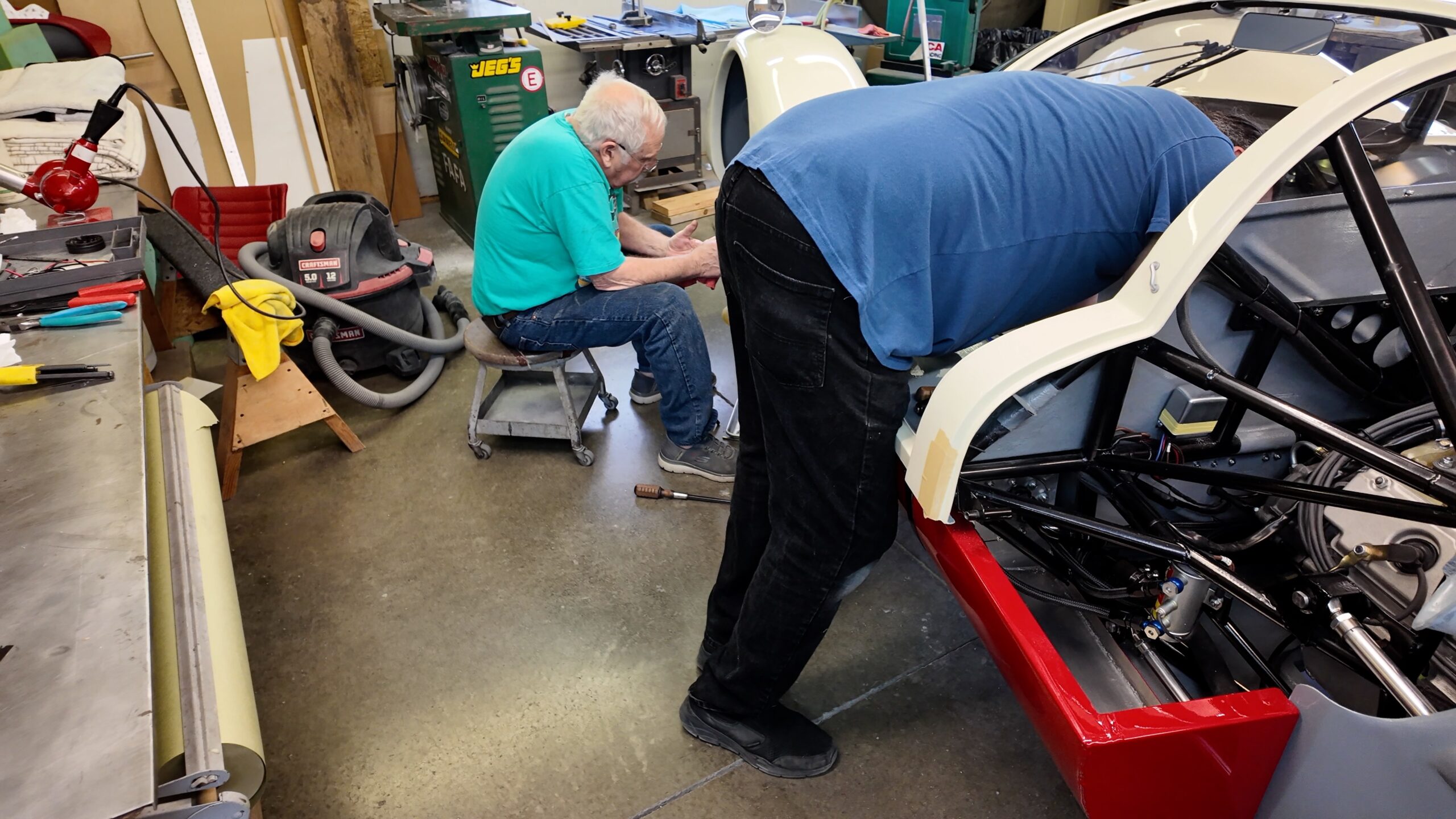
A Porsche 906 Is Born!
It took two and a half years to create this Porsche 906 from scratch. This is the final day.
watch Video
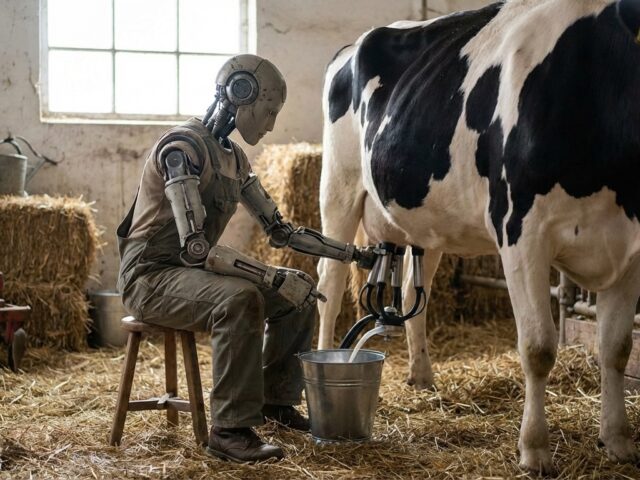
Robots are Coming — to Milk the Cows!
I had visions of robots running around the barn, chasing after cows to milk. I had this image of a robot on a stool with a pail. But instead...
watch Video
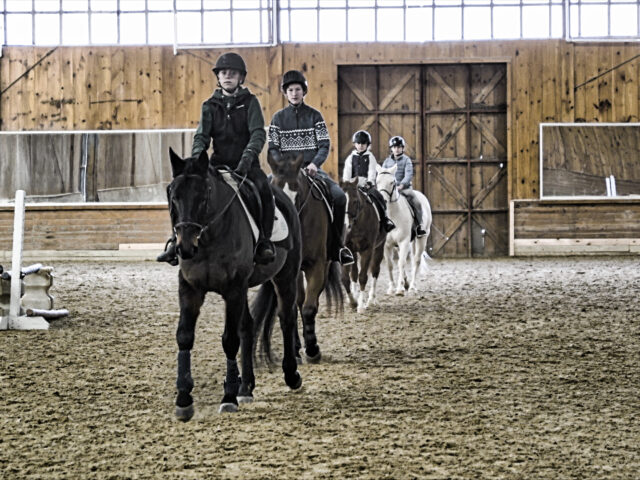
Brushing Away the Tik Tok Swipe
Kids who have lost their childhood through social media miss something that these kids, in Pony Club, have gained through brushing rather than swiping.
watch Video

The Man Who Made A Town Tick
Behind the familiar lies the unfamiliar. That old town clock is at the center. Who winds it? And how?
watch Video
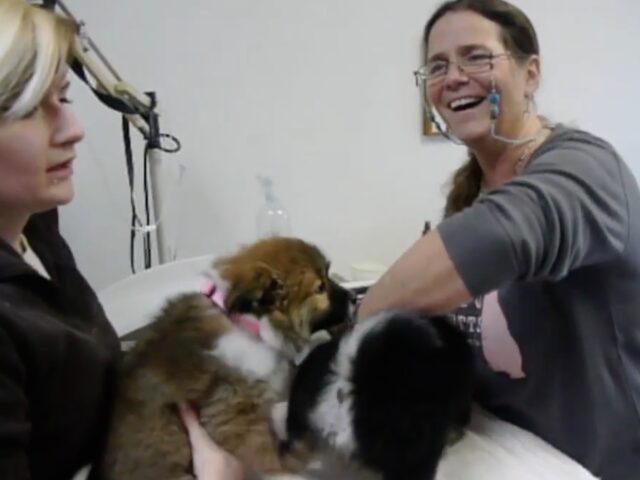
The Puppies First Visit With the Vet
What's a country website without puppies? Not this one!
watch Video
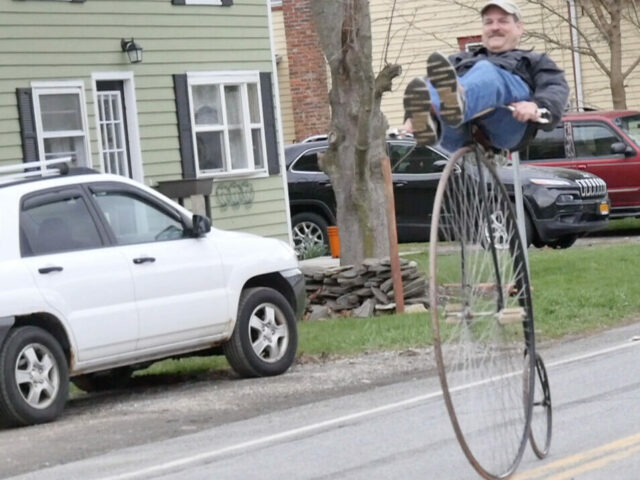
Riding High
People come from all over the world, either in person or online, to the Antique Bicycle Auction in Copake, NY. The highlight of the show is the highriders that are bought, sold, and even...
watch Video
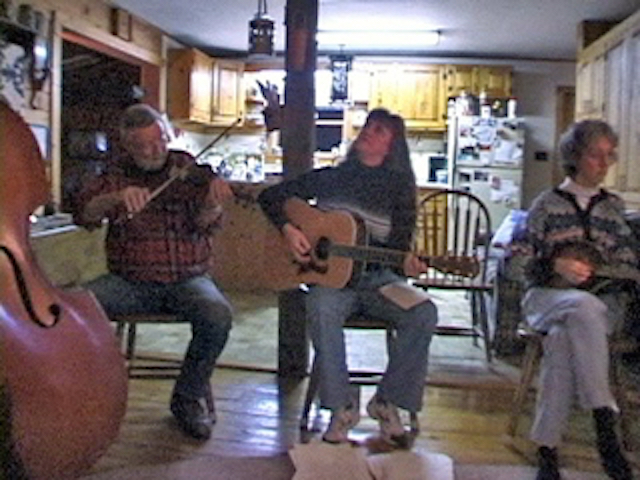
Wednesday Jam
A group of friends played together every Wednesday evening in Pete and Cindy Howe's kitchen.
watch Video
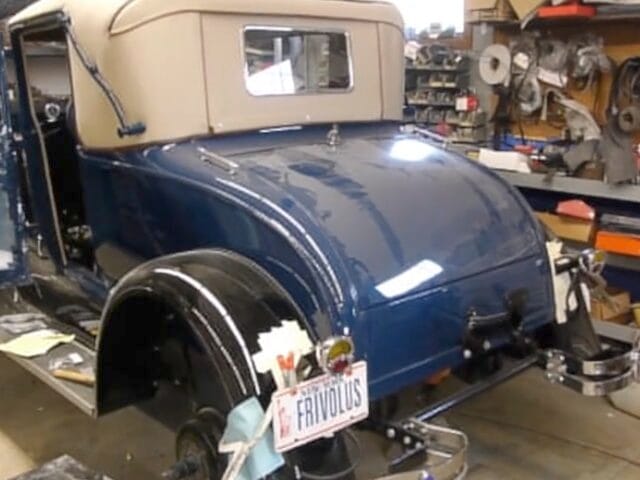
Harry’s Model A
A 1928 Model A Ford had been the beloved car of a much-loved father. By having it restored the family resurrected both the car and his memories.
watch Video
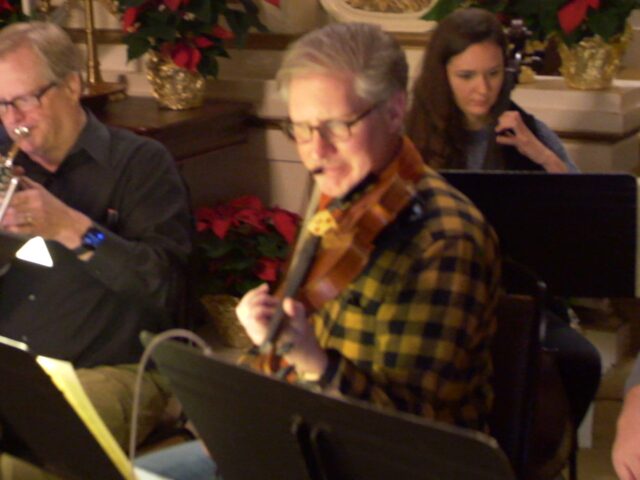
Have an Orchestra Seat!
Literally sit right in with an orchestra as it rehearses the Halelujah Chorus of the Mesiah,
watch Video
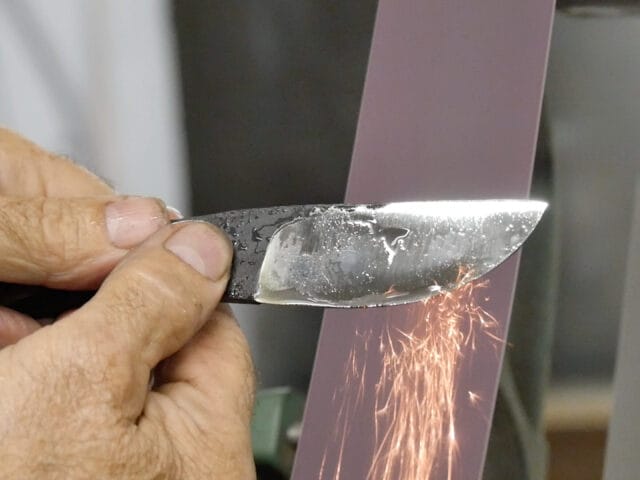
Let’s Make a Knife!
Come along on a shop visit to a master bladesmith as he makes a knife just for us!
watch Video
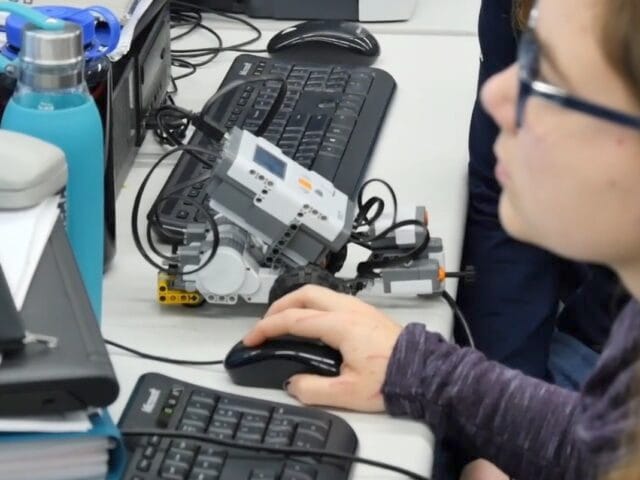
It’s Not Your Grandfather’s Shop Class
Because it is not your grandfather's world anymore, it's theirs! And to prepare them for their world, new educational and job skills are needed. The STEM program in Pine Plains prepares students for their...
watch Video
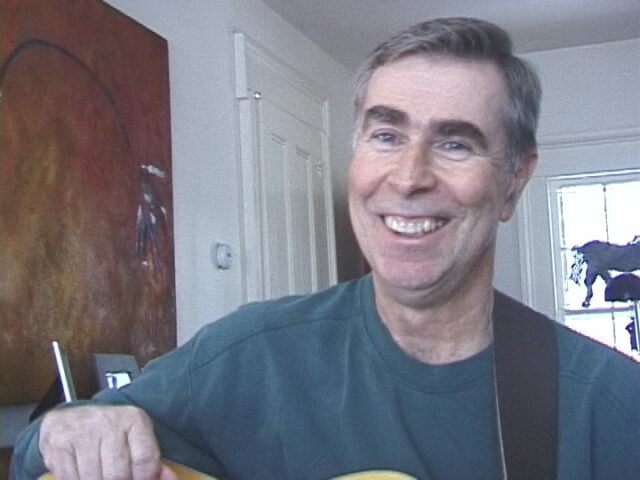
Playing for One
Not a concert, not a performance, just a chance for you be with a musician working things out.
watch Video
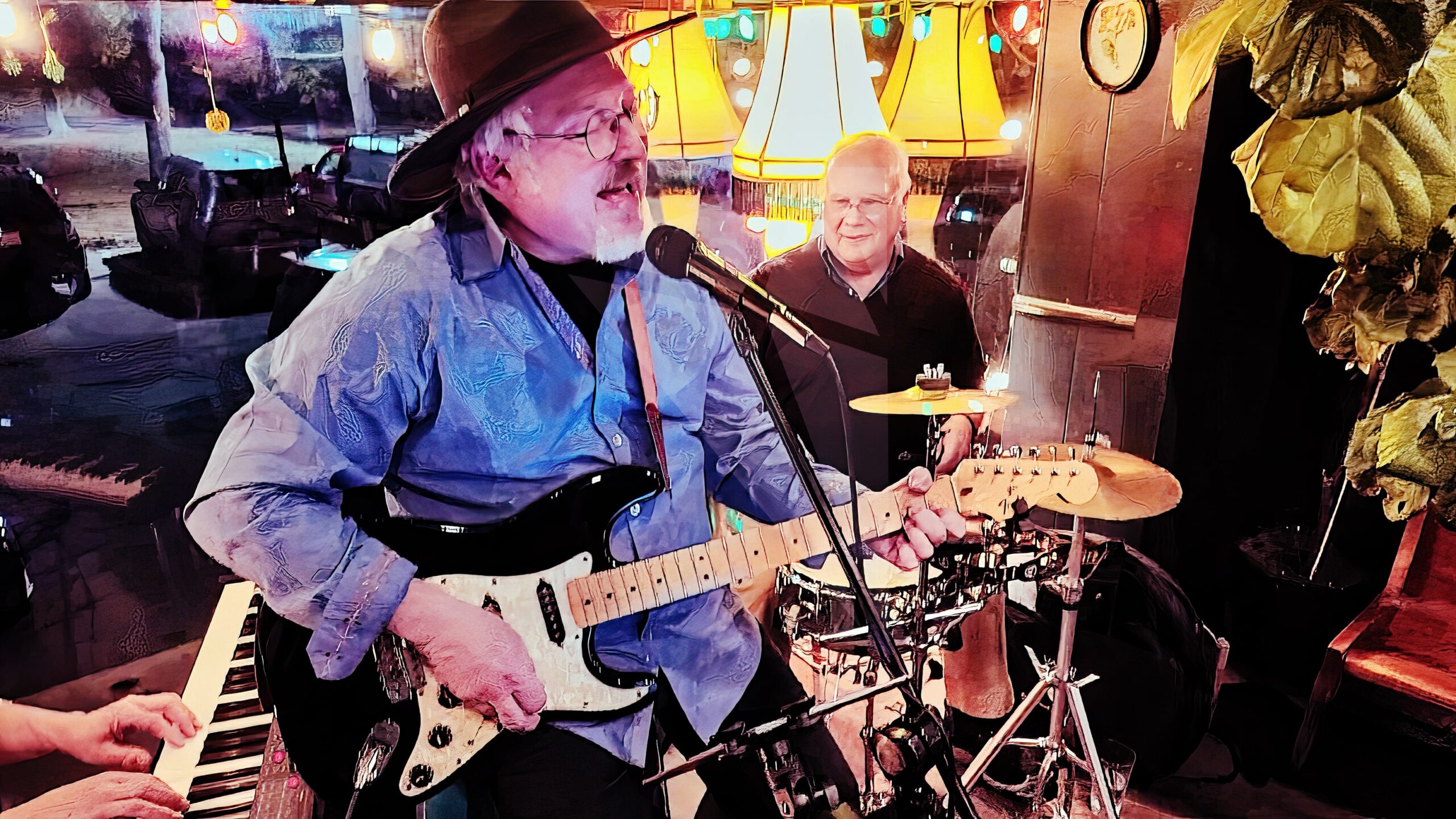
A Visit to Julien’s
A favorite, to eat good food and drink, listen to music, and make new friends who, on return, become old ones. Where everone LEARNS your name!
watch Video
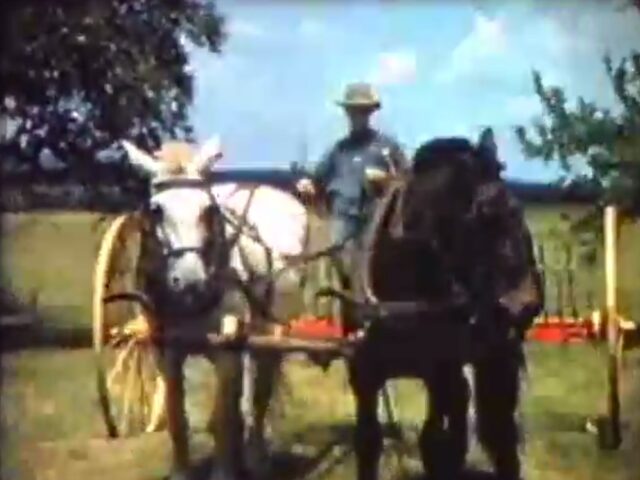
Howe They Farmed
In 1939, a farmer's wife got a movie camera as a wedding present. Decades later, her sons found a box...
watch Video
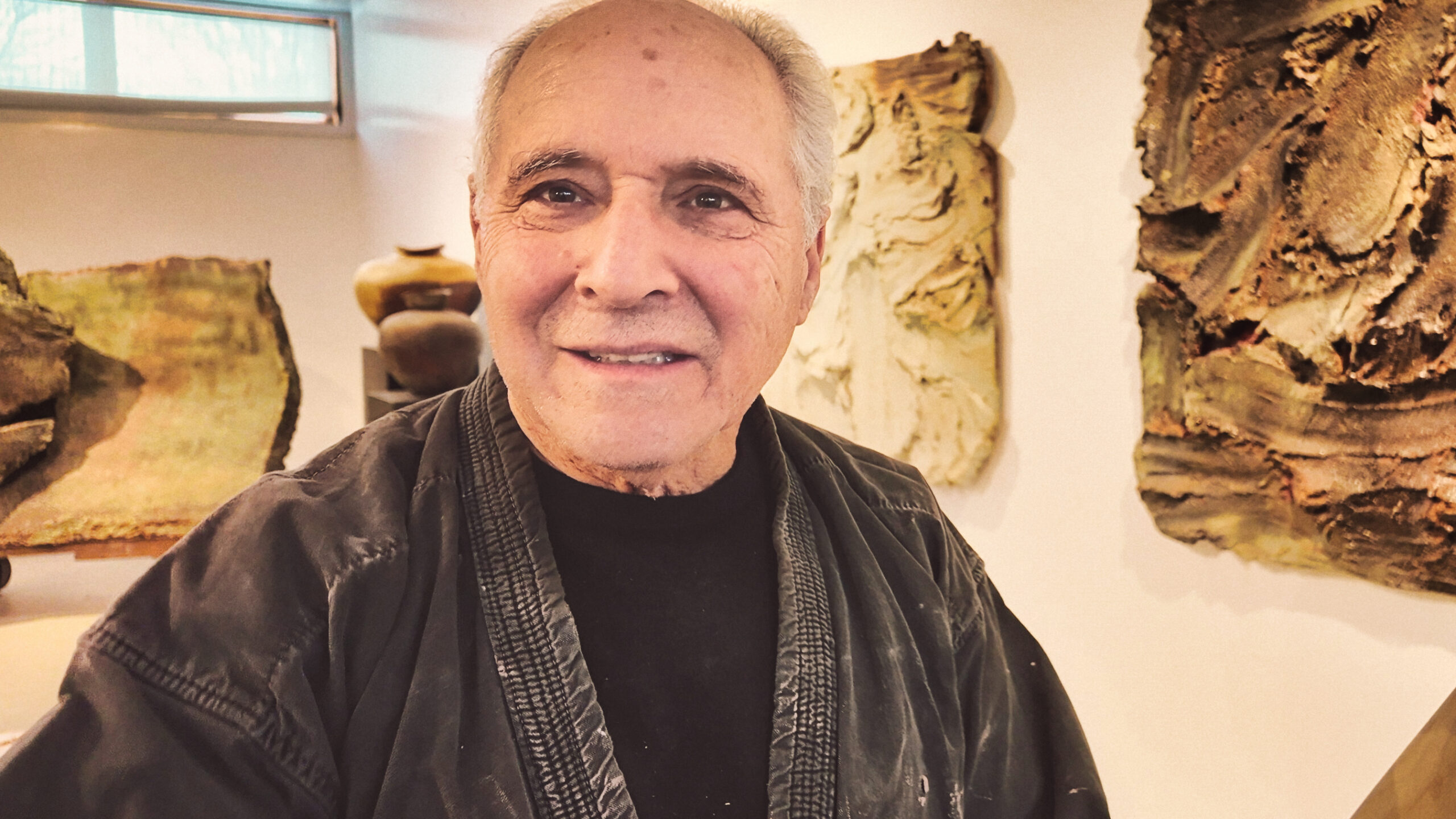
A Studio Visit With Paul Chaleff
I dropped in for a visit with an old friend, the sculptor Paul Chaleff. Over the 25 years that we have known each other, I have watched Paul's work and ideas grow. We pick...
watch Video
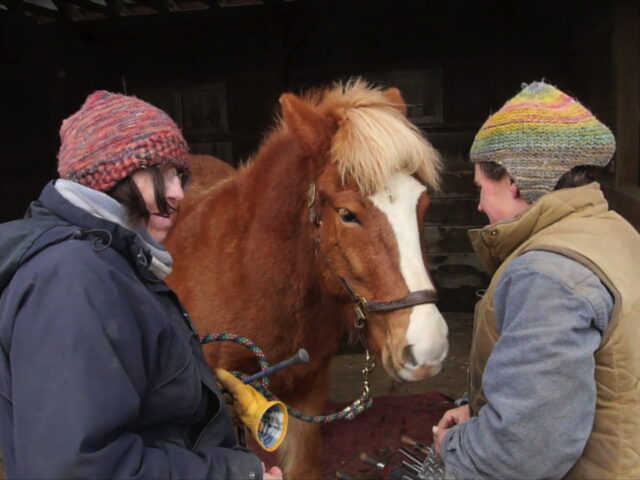
A Farrier? What’s That?
Over time, communities can fragment. Collecting photos, films, and video can stitch them back together.
watch Video
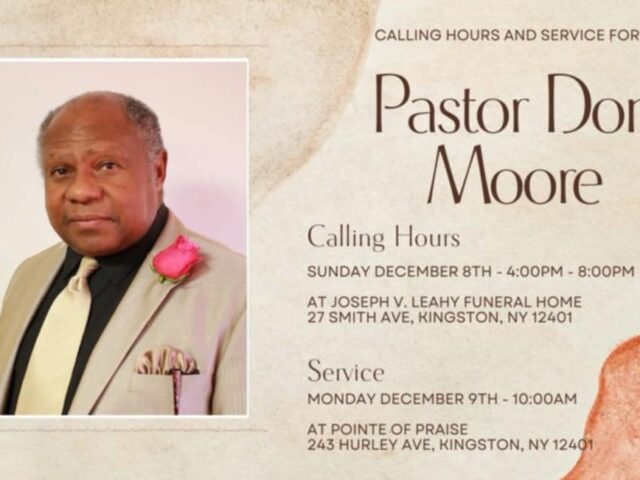
An Amazing “Amazing Grace”
Through his music he took his faith in God and his love of people with him everywhere he went.
watch Video

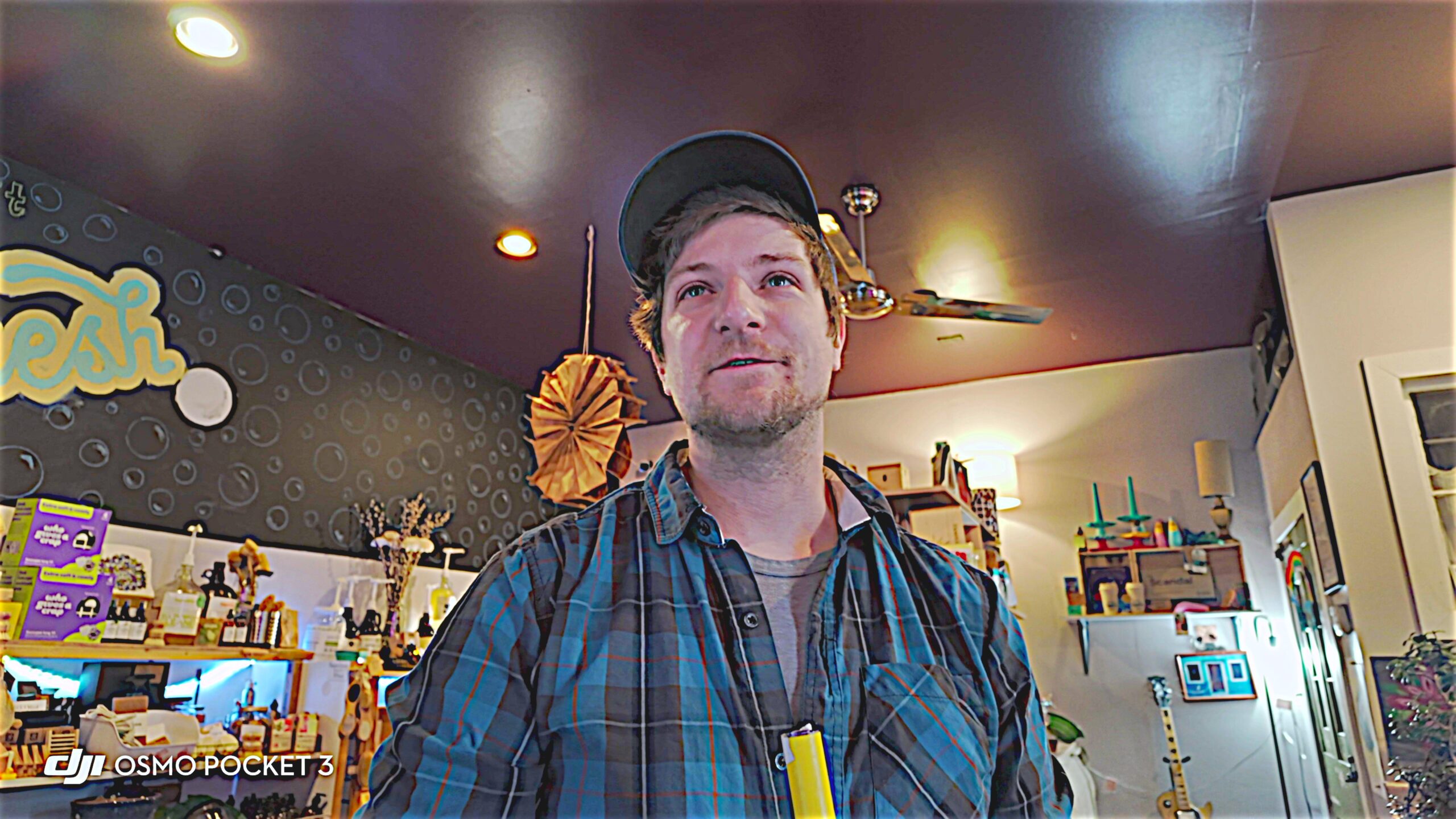
A Visit to a New Business
We dropped in on a new business in town. We heard that there were free donuts, but they were already gone, so we settled for some good conversation instead! I thought it would be...
watch Video
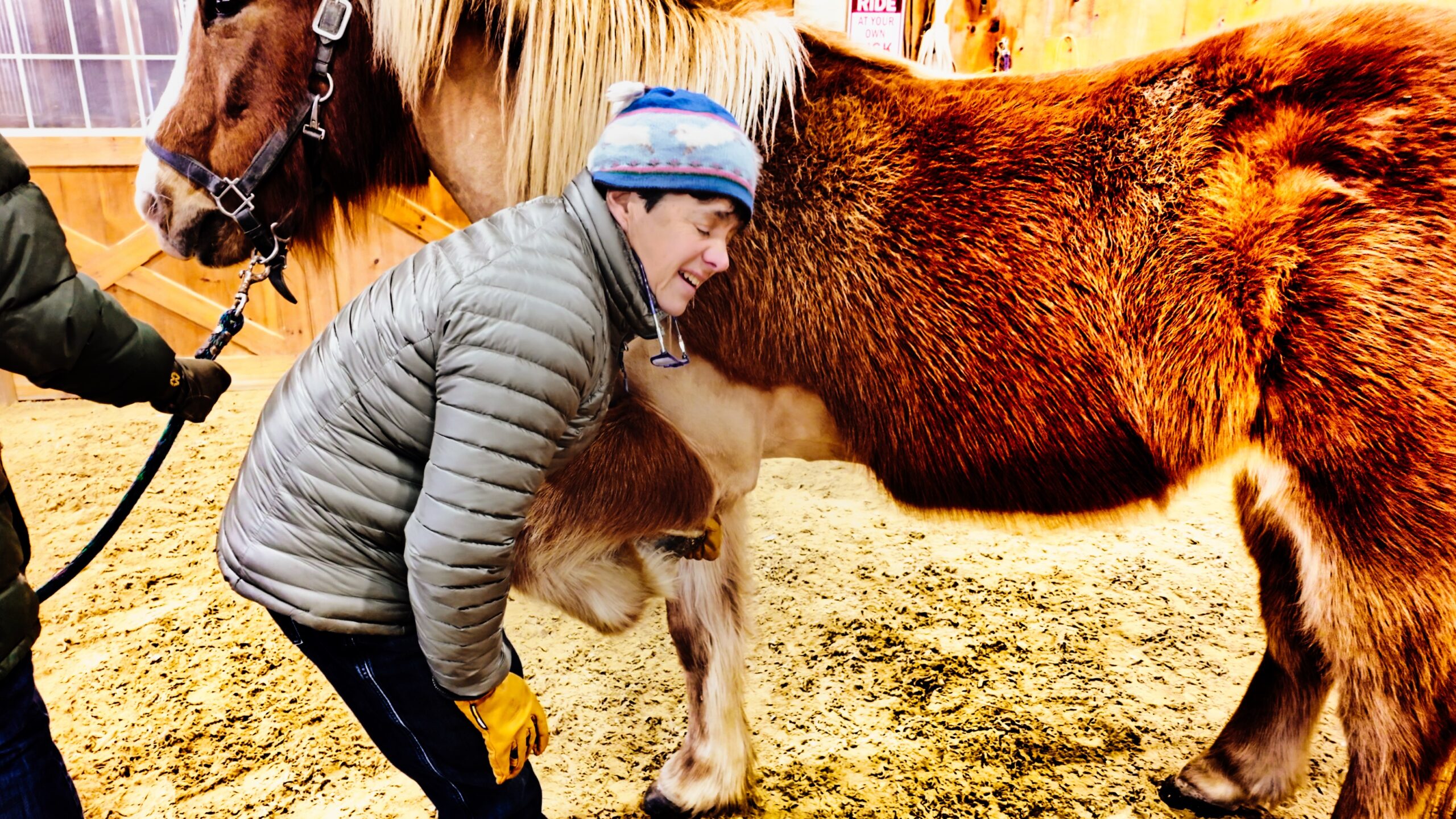
The Vet Makes a Barn Call
Prestur, an Icelandic horse was "off". But where and how was what his doctor had to find out.
watch Video
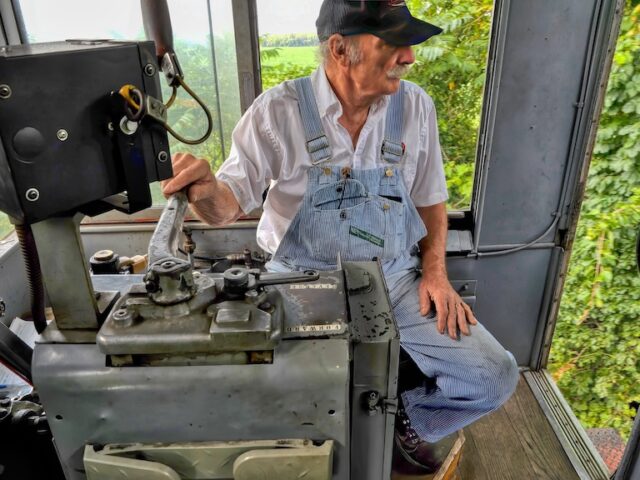
Ride-Along on the Rails!
Ride in the cab with the engineer on the Catskill Mountain Railroad.
watch Video
360º Video
Run your own camera -- pan and tilt to see what YOU want to see in this new format for public meetings!
watch Video